Follow Me On Social Media!

Sticky Mongolian Beef Noodles: A Sweet, Savory, Slurp-Worthy Favorite

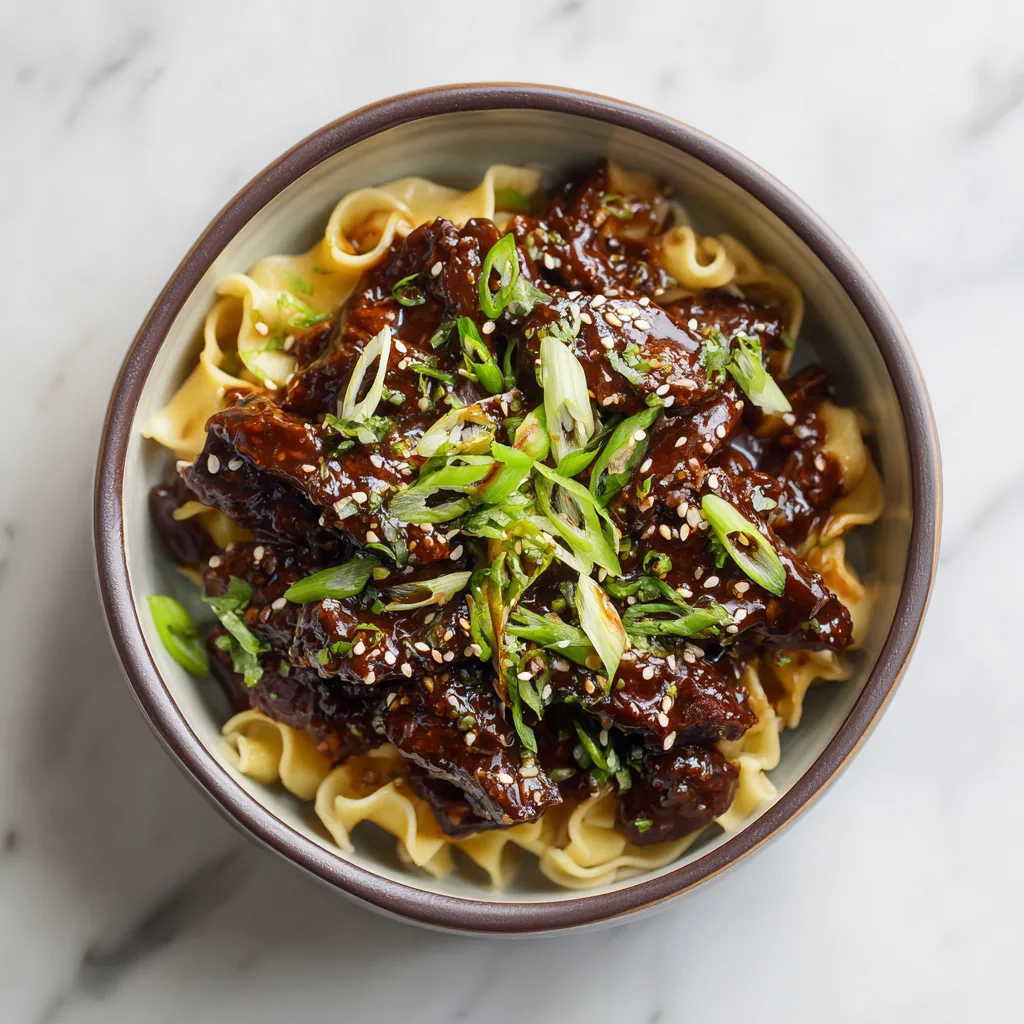
Sticky Mongolian Beef Noodles are the kind of meal that instantly satisfies cravings for bold flavor, comforting textures, and restaurant-quality indulgence—all made easily at home. With tender slices of beef, chewy noodles, and a glossy sauce that perfectly balances sweet, savory, and umami notes, this dish brings together everything people love about Mongolian beef and turns it into a hearty noodle bowl that feels both indulgent and comforting.
Unlike traditional Mongolian beef, which is often served with rice, this noodle-based version absorbs even more sauce, making every bite rich and flavorful. The beef is lightly crisped, the noodles stay springy, and the sauce clings beautifully thanks to a smart combination of soy sauce, hoisin, brown sugar, and cornstarch. The result is sticky, shiny, and deeply satisfying.
This recipe is designed for home cooks who want big flavor without complicated techniques. It’s weeknight-friendly, customizable, and perfect for anyone who loves Asian-inspired comfort food. Whether you’re cooking for family, entertaining guests, or simply treating yourself, Sticky Mongolian Beef Noodles deliver every single time.
What Makes Mongolian Beef “Sticky”?
The signature “sticky” texture comes from a carefully balanced sauce thickened with cornstarch and reduced quickly over high heat. Brown sugar caramelizes slightly, soy sauce adds saltiness, and hoisin brings depth and subtle sweetness. When tossed with hot noodles and seared beef, the sauce coats everything evenly, creating that irresistible glossy finish.
The key is timing—adding the sauce at the right moment ensures it thickens without burning and clings perfectly to both noodles and beef.
Ingredients
For the Beef and Marinade
- Flank steak or sirloin, thinly sliced against the grain
- Soy sauce
- Cornstarch
- Sesame oil
For the Sauce
- Low-sodium soy sauce
- Hoisin sauce
- Brown sugar
- Fresh garlic, minced
- Fresh ginger, grated
- Beef broth or water
- Cornstarch
For the Noodles
- Dried wheat noodles, lo mein noodles, or spaghetti
- Neutral cooking oil
For Garnish (Optional but Recommended)
- Sliced green onions
- Toasted sesame seeds
- Red chili flakes

Instructions
- Prepare the Beef
In a bowl, toss the sliced beef with soy sauce, sesame oil, and cornstarch until evenly coated. Set aside for 10 minutes while you prepare the remaining ingredients. - Cook the Noodles
Bring a large pot of salted water to a boil. Cook noodles according to package instructions until just tender. Drain and set aside. - Mix the Sauce
In a small bowl, whisk together soy sauce, hoisin sauce, brown sugar, garlic, ginger, beef broth, and cornstarch until smooth. - Sear the Beef
Heat oil in a large skillet or wok over medium-high heat. Add the beef in a single layer and cook undisturbed for 1–2 minutes to develop a sear. Stir and cook until just cooked through. Remove beef from the pan and set aside. - Build the Sauce
In the same pan, pour in the prepared sauce. Stir continuously as it heats and thickens, about 2–3 minutes. - Combine Everything
Add the cooked noodles and beef back into the pan. Toss well until noodles are fully coated and the sauce becomes glossy and sticky. - Finish and Serve
Remove from heat. Garnish with green onions, sesame seeds, and chili flakes if desired. Serve hot.
Why This Recipe Works So Well
Sticky Mongolian Beef Noodles succeed because every component is carefully balanced. Thinly sliced beef cooks quickly and stays tender. Cornstarch creates a light crust and thickens the sauce without heaviness. The noodles soak up flavor without becoming mushy. Each element supports the others, creating a dish that tastes complex but feels effortless.
Tips for Perfect Sticky Mongolian Beef Noodles
- Slice beef thinly and against the grain for maximum tenderness.
- Do not overcrowd the pan when searing beef—cook in batches if needed.
- Use low-sodium soy sauce to control salt levels.
- Have everything prepped before cooking—the process moves fast once heat is applied.
- Toss noodles gently to avoid breaking them.
Variations and Customizations
Spicy Mongolian Beef Noodles:
Add chili garlic sauce or extra red pepper flakes to the sauce.
Vegetable-Loaded Version:
Toss in bell peppers, broccoli, snow peas, or mushrooms during the sauce step.
Chicken or Tofu Substitute:
Swap beef for thinly sliced chicken breast or crispy tofu.
Gluten-Free Option:
Use rice noodles and gluten-free soy sauce.
Serving Suggestions
Sticky Mongolian Beef Noodles are a complete meal on their own, but they pair beautifully with:
- Steamed dumplings
- Simple cucumber salad
- Asian slaw
- Egg rolls or spring rolls
Serve with chopsticks for an authentic feel or a fork for easy comfort-food vibes.

Cultural Context: Mongolian Beef at Home
Despite its name, Mongolian beef is more closely tied to Chinese-American cuisine than traditional Mongolian food. It became popular in Western restaurants for its bold sauce and tender beef. This noodle-based version builds on that tradition, adapting the flavors into a modern, home-friendly comfort dish.
Storage and Reheating
- Refrigerate: Store leftovers in an airtight container for up to 3 days.
- Reheat: Warm gently in a skillet with a splash of water to loosen the sauce.
- Not freezer-friendly: Noodles may become mushy when frozen.
Final Thoughts
Sticky Mongolian Beef Noodles are everything a great dinner should be—fast, flavorful, comforting, and memorable. This recipe brings restaurant-quality results straight to your kitchen with approachable ingredients and foolproof steps. Whether it’s a busy weeknight or a cozy weekend meal, this dish delivers bold flavor in every bite.
Sticky Mongolian Beef Noodles
Tender beef and chewy noodles tossed in a glossy sweet-savory Mongolian-style sauce.
Ingredients
Equipment
Method
- Toss sliced beef with soy sauce and cornstarch. Set aside.
- Cook noodles according to package directions. Drain and set aside.
- Whisk together all sauce ingredients until smooth.
- Sear beef in hot oil until browned and just cooked. Remove from pan.
- Add sauce to the pan and simmer until thickened.
- Return beef and noodles to the pan. Toss until coated and sticky.
Notes
Slice beef thinly against the grain for best texture.